

How Does Sunlight Affect Roofs in Painted Post, NY?
Sun exposure gradually breaks down roofing materials, making them more brittle, faded, and less effective over time. In Painted Post, consistent sunlight—especially during the long days of summer—can shorten the functional lifespan of many types of roofing.
Sun’s ultraviolet (UV) radiation is the main cause of this aging process. UV rays slowly degrade the chemical bonds in shingles, tiles, and even metal, leading to cracking, curling, fading, or surface chalking. Residents might notice that south-facing areas, which get more direct sunshine, often show more damage than shaded sections.
Are Certain Types of Roofing More Vulnerable?
Roofs made of asphalt shingles, commonly used in Painted Post, are particularly susceptible to sun damage. The granules that give shingles their color and help block UV can loosen over time, exposing the shingle underneath and accelerating wear.
Other materials react differently:
- Metal roofs can expand and contract from sun exposure, leading to loosened fasteners or seams if not installed with room for movement.
- Wood shakes and shingles can dry out and split more rapidly in direct sunlight.
- Clay and concrete tiles are relatively UV resistant, but their surfaces may still fade or erode after many sunny seasons.
The rate of deterioration depends on the material’s quality, age, and color, with darker colors absorbing more heat and showing damage faster.
What Seasonal Factors in Painted Post Make Sun Exposure More Significant?
The seasonal cycle in Painted Post brings distinct weather patterns. In summer, strong sunlight combines with humidity and thunderstorms, testing the roof continuously.
- Long daylight hours in summer increase cumulative UV exposure.
- Clear winter days—though colder—can still lead to UV-related roof aging.
- Freeze-thaw cycles worsen cracks or small defects first created by sun exposure, as water seeps in and then expands.
Local homes surrounded by open spaces or with minimal tree cover observe faster wear on sun-facing sides, compared to properties shaded by mature trees.
What Signs of Sun Damage Should Residents Watch For?
Early recognition of sun-related wear can extend a roof’s lifespan:
- Faded or chalky shingle color, especially on the southern or western slopes.
- Granule loss, noted by shingle debris in gutters or along downspouts.
- Curled, cracked, or brittle shingles that no longer lay flat.
- Blistering or small surface bubbles on the roofing material.
These symptoms often mean that water resistance has been compromised, increasing the risk of leaks after heavy rainfall.
Do Reflective Shingles or Roof Coatings Help?
Using lighter-colored shingles or products labeled as "cool" or "reflective" can minimize heat absorption. In Painted Post's mixed climate, this may help prolong shingle life and keep attics cooler in hot months.
Reflective roof coatings, sometimes used on flat or low-slope roofs, create a barrier to both UV rays and heat. However, they need proper application and regularly scheduled maintenance to remain effective.
What Are Common Misconceptions About Sun Damage?
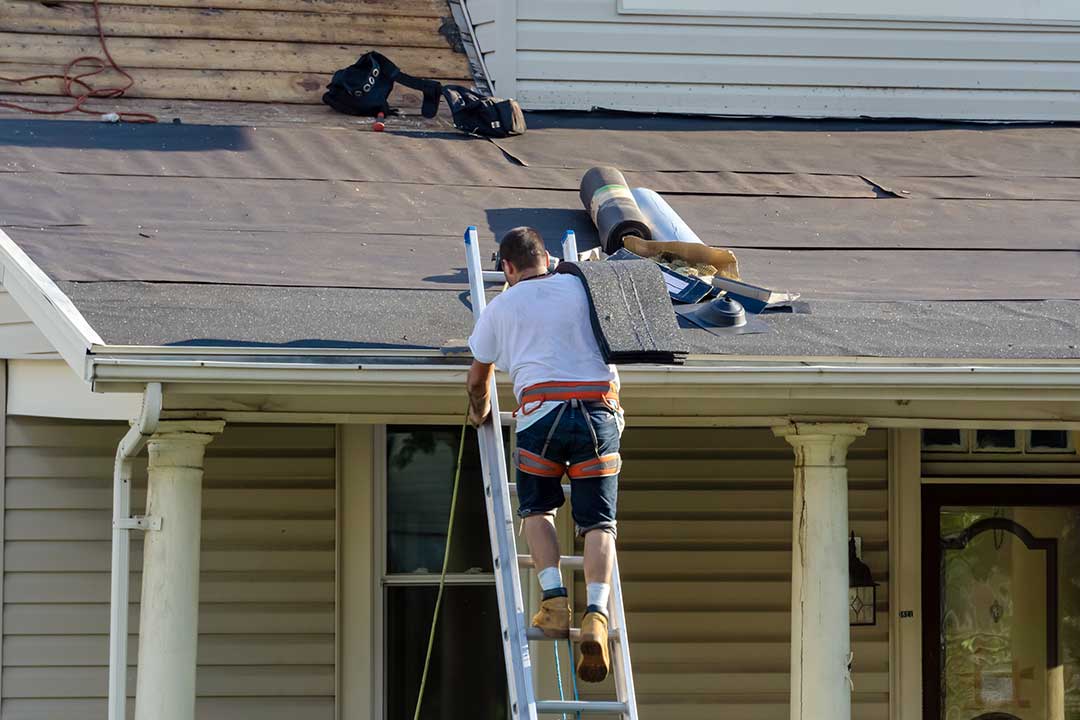
Some area homeowners believe only age or weather events—like hail and wind—cause roofs to fail, but continuous sun exposure is a subtler threat that accumulates year over year.
Other misconceptions:
- Thinking roof color is just a visual choice: In reality, darker surfaces absorb more heat and can degrade faster in direct sun.
- Assuming new roofs are immune: All roofs, even those recently installed, start aging immediately under sunlight.
- Believing shade always prevents damage: While shade from nearby trees helps, it doesn’t eliminate the need for regular roof evaluations.
Can Anything Be Done to Slow Down Sun-Related Roof Deterioration?
A few strategies can extend the lifespan of your roof:
- Scheduling routine visual checks, especially after sunny stretches, to identify faded, curling, or missing shingles before leaks develop.
- Clearing gutters and downspouts so they don’t back up water, which can seep into sun-cracked areas.
- Trimming back large branches to reduce debris but retain some shade, where practical.
- Ensuring attic ventilation works properly, as this can reduce heat buildup under the roof.
- Choosing UV-resistant materials for new installations or repairs when possible.
Proactive care like this is more affordable and effective than waiting for obvious leaks or water stains to appear inside the home.
How Does Sun Exposure in Painted Post Compare With Other Sources of Roof Wear?
While wind and storms can cause striking damage in a single day, sun exposure is more about constant, gradual wear that may go unnoticed for years. Painted Post’s balanced seasonality—with large temperature fluctuations—means roofs here face both seasonal surges of UV in summer and rapid freeze-thaw cycles in spring and fall.
Homeowners should pay attention to those less dramatic but equally important effects of daily sunlight, maintaining vigilance even in seasons that seem less intense.
