

Why Should Residents in Painted Post, NY Check Their Roofs After a Storm?
Painted Post, NY experiences a mix of heavy winter snow, spring wind storms, and summer thunderstorms. These events can all cause roof problems that aren't always obvious at first glance. Checking your roof after severe weather helps local households prevent minor issues from turning into costly repairs or indoor leaks. Ignoring the process can lead to moisture damage, insulation problems, and even compromised structural integrity over time.
Which Signs of Roof Damage Are Easiest to Spot from the Ground?
The most accessible way for residents to look for storm-related damage is from the safety of the ground. Common visual clues include:
- Shingles that are missing, bent, cracked, or appear out of alignment
- Pieces of roofing material scattered in bushes or on the lawn
- Fascia or soffits (the boards along the roof’s edge) hanging loose or broken
- Obvious sagging spots on the roof line, especially after heavy snow
- Debris piles, such as branches or leaves, collected in gutters or valleys
Binoculars can help you view the upper areas without needing a ladder. Avoid climbing onto the roof unless you have the proper equipment and feel safe doing so.
What Does Hail or Wind Damage Look Like in Painted Post?
Hail and wind are typical concerns for this area, especially during the transitional seasons. Hail damage often results in small bald spots where granules have been knocked off asphalt shingles. These can look like dark or shiny circles and tend to appear randomly across the surface. Severe hail can even create dents in metal flashing or vents.
Wind damage commonly exposes nails, lifts the edges of shingles, or causes them to curl. Sometimes entire shingle tabs will be missing. After a wind storm, it’s also wise to check around chimneys and skylights for separated flashing or weakened seals, which are more likely to fail if wind gets underneath.
Should You Worry About Flat Roofs or Low-Pitch Roofs after a Storm?
Many homes and additions in Painted Post have lower-slope or even flat roofs. These are especially susceptible to:
- Pooling water (known as ponding), which can seep into seams or cause sagging
- Blistered or cracked roofing membranes
- Punctures from falling branches or wind-tossed debris
After intense storms, look for standing water, check for bubbling or lifting sections in roof coatings, and clear away debris as soon as it’s safe. Damp interior ceilings on upper floors often suggest slow leaks through these flatter roof types.
How Can You Tell if an Attic or Ceiling Leak Is Storm Related?
Leaks may not always appear immediately after a storm in Painted Post. If you notice new damp spots, water stains, or musty odors within a week of severe weather, it’s possible recent events are to blame.
Look for:
- Yellow or brown discoloration on ceilings or near exterior walls of upper floors
- Damp insulation or visible drip marks in the attic
- Increased humidity or condensation in attic spaces
Sometimes leaks travel along rafters and show up far from the original hole, so tracing drips back to their entry point is important for accurate repairs.
Are Gutters and Downspouts Part of the Roof Check Process?
Yes, gutters and downspouts play a critical role in keeping Painted Post homes dry. After storms, check that gutters remain attached, are free from blockages, and direct water away from the foundation. Ice dams in winter, for example, can quickly worsen existing roof vulnerabilities and lead to hidden leaks under the shingles.
- Make sure gutter brackets did not loosen or pull away from the fascia
- Remove branches, leaves, or ice safely from gutters
- Confirm that downspouts have not split, disconnected, or shifted position
What Should You Do If There Is Debris or Moss Left on the Roof?
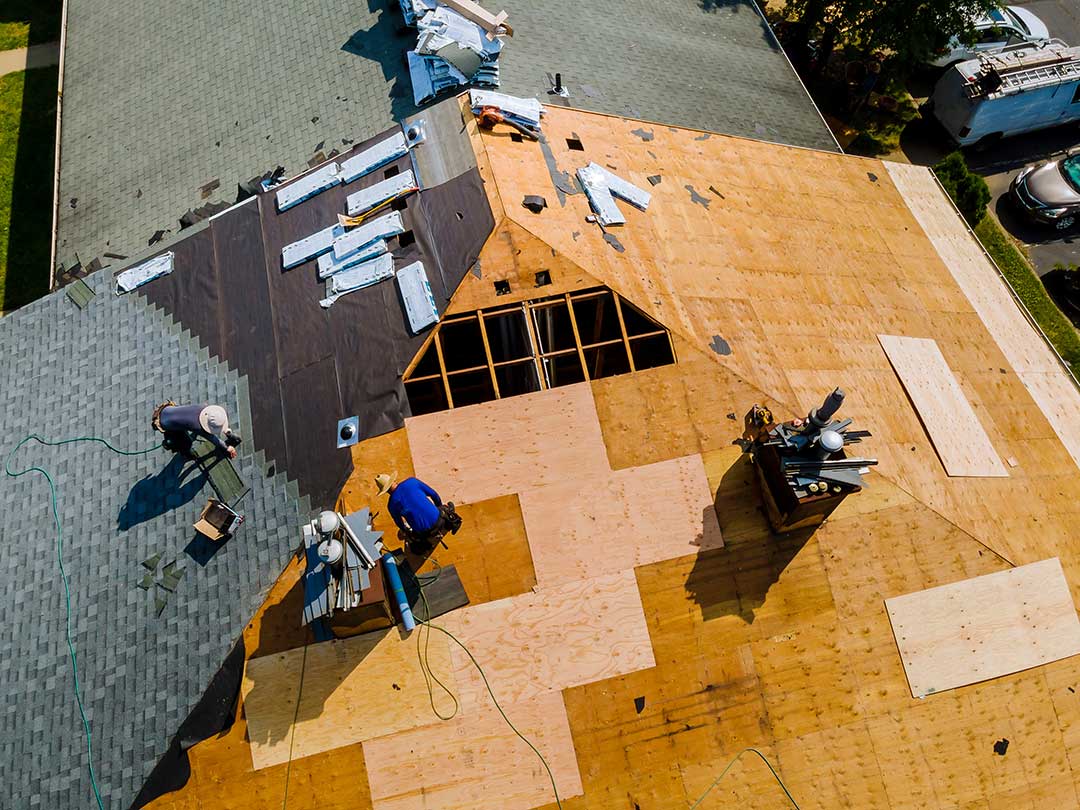
Painted Post’s leafy neighborhoods mean roofs frequently end up with sticks, leaves, and sometimes moss after storms. If left, this material can trap moisture, making shingles deteriorate faster and encouraging mold or algae.
If it’s safe, use a plastic rake or soft broom to clear off branches and leaves. Avoid using metal tools that may scratch or gouge shingles, and avoid pressure washing which can loosen protective granules. Moss growth should be removed gently as well, since prying it off can damage the shingle surface. Persistent moss indicates a moisture problem that might require professional attention if it cannot be safely addressed from the ground.
Are Chimneys and Roof Vents Prone to Storm Damage?
Absolutely—chimneys and vents are natural weak spots on any roof, particularly in climates like Painted Post that see substantial snow and wind. After a storm, examine these areas for:
- Cracked or missing mortar on brick chimneys
- Loose, dented, or missing vent covers and flashing
- Displaced or skewed metal flues
If water stains appear near these features inside the home, they likely are not sealed well or have suffered wind damage.
When Should a Resident Avoid DIY Roof Inspections?
Residents should remain on the ground if:
- Roof slopes are steep or covered with snow/ice
- There are visible signs of structural compromise (caving or deep sags)
- You are unsure about safely navigating ladders or heights
In any of these situations, safety comes first, and inspection by a qualified expert is warranted for further checks.
What Problems Are Commonly Overlooked After a Storm?
Area households sometimes miss subtle issues like:
- Small uplifted shingle corners that can lead to future water infiltration
- Sealant failure around pipe boots, attic fans, and satellite dishes
- Hairline cracks in the flashing or on the roof’s ridge
Regular checks after major weather events can help catch these before they become more serious.
