
Why Might Tree Limbs Be a Concern for Roofs in Painted Post, NY?
Tree limbs growing over homes are common throughout Painted Post, mainly due to the area’s mature neighborhoods and wooded surroundings. These overhanging branches can seem harmless, but they can create several risks for residential roofing by increasing wear and exposing the structure to damage.
Can Tree Limbs Cause Direct Physical Damage to Roofs?
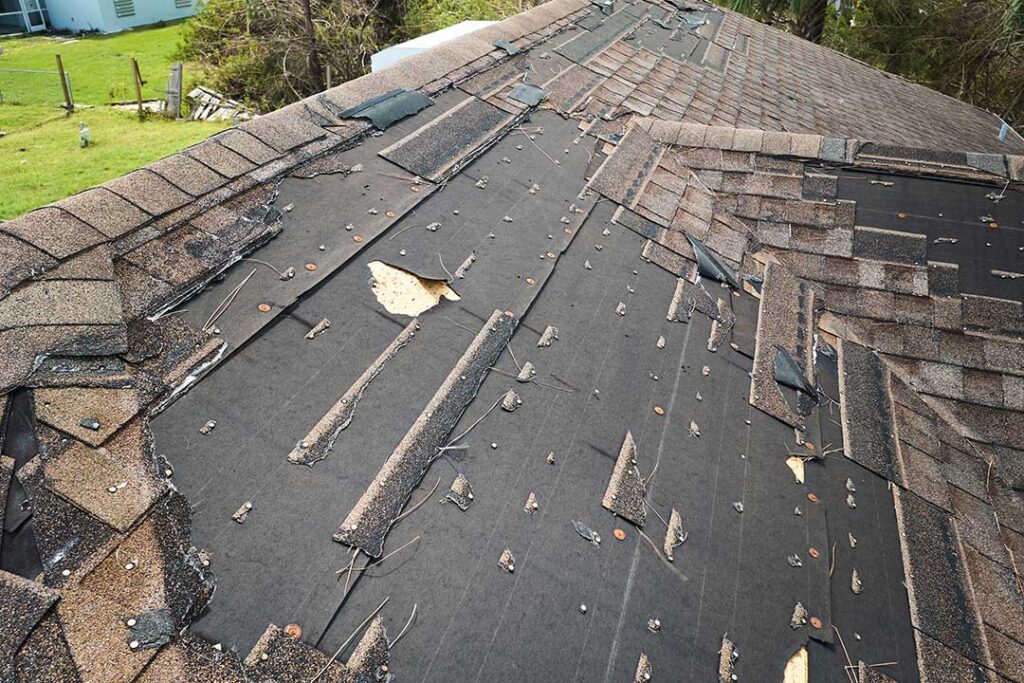
Yes, limbs can directly harm a roof in the city, especially during specific weather conditions. Limbs may scrape against shingles during windy days or storms, gradually wearing away granules and the protective surfaces of roofing material. Large branches weighed down by snow or ice—an issue during Painted Post’s winters—can break and crash down, puncturing shingles, damaging gutters, or even causing leaks.
Even smaller twigs can, over time, loosen shingles or become lodged in roofing components, making it easier for water to infiltrate the roof during heavy rain or snowmelt.
How Do Overhanging Branches Increase Moisture Problems?
Branches that shade a roof keep surfaces damp for longer after rain or snow, especially during the spring thaw or humid summers characteristic of the local climate. Prolonged moisture can foster moss, algae, or lichen growth on the shingles. These organisms hold water against the roof, accelerating wear and, in some cases, lifting shingle edges to create weak spots where water can get in.
This damp environment can also promote rot in wood shake roofs and encourage premature aging of asphalt shingles, both of which can occur more rapidly when sunlight is blocked.
Are Clogged Gutters Linked to Nearby Trees?
Absolutely. In Painted Post, where autumn brings abundant leaf fall, it’s common for gutters to fill with leaves, seed pods, and even blossom petals. Overhanging limbs drop this debris directly onto rooftops and into gutters, blocking water flow.
Clogged gutters restrict proper drainage, which may cause overflow onto fascia boards and siding, increase ice dam formation during local winters, and lead to water backing up under the roof. Repeated exposure can increase the risk of rot or interior water intrusion.
Do Tree Limbs Attract Animals or Insects to Roofs?
Tree limbs can act as natural bridges that allow animals access to rooftops. Squirrels, raccoons, and insects like carpenter ants may use branches to reach the roof, where they might nest or attempt to get inside the attic.
Animal activity can cause additional physical damage. For example:
- Squirrels may chew on shingles or wooden trim
- Birds nesting in gutters can worsen blockages
- Insects attracted to moist, shaded environments may exploit vulnerable roofing materials
Painted Post residents sometimes notice these issues increase in neighborhoods with dense tree cover.
What Are the Signs of Tree-Related Roof Damage?
Residents can look for a few practical indicators that tree limbs are affecting their roofs:
- Asphalt shingle granules accumulating in gutters or at downspouts
- Moss or algae streaks forming in areas shaded by branches
- Scratches or gouges on the roof surface
- Broken, missing, or shifted shingles near overhanging limbs
- Excessive debris and leaves piling on the roof or in gutters
- Branches resting on or very close to the roof, especially after a storm
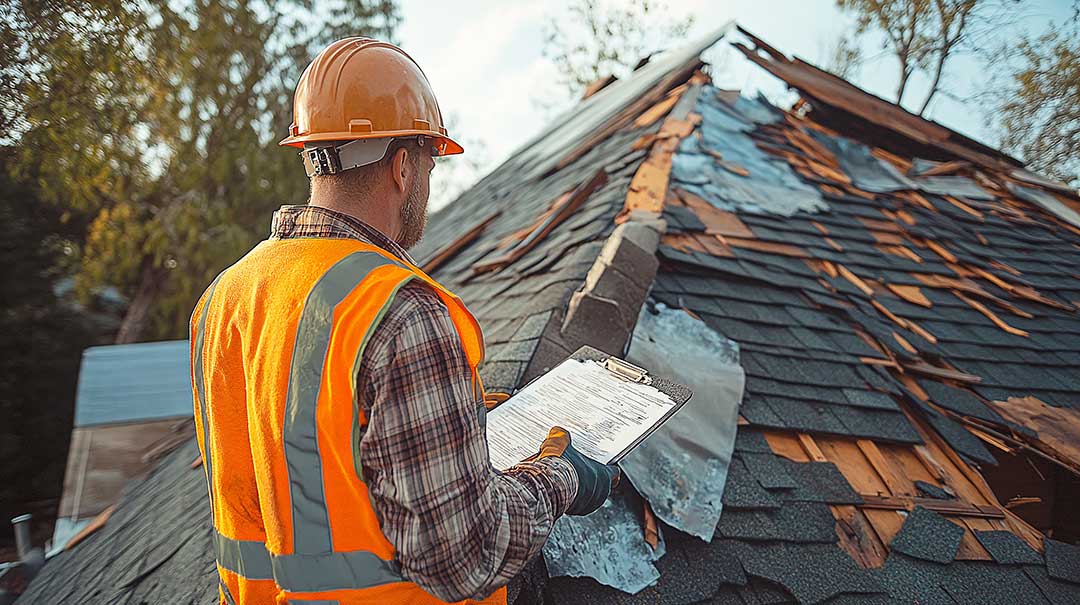
Regular visual checks, especially after storms or high winds, can help identify issues early.
Are There Ways to Minimize Risk Without Removing Trees?
Completely removing mature trees is rarely necessary or desirable in the city, given their role in aesthetics, shade, and property values. The goal should be to balance tree health with roof protection.
Some practical steps include:
- Pruning branches so they don’t overhang or touch the roof—generally maintaining a clearance of several feet
- Removing dead, weak, or storm-damaged limbs before they have a chance to fall
- Clearing gutters regularly, especially in autumn and early spring
- Monitoring shaded areas of the roof for algae or moss, and addressing growth promptly
For large trees near power lines or difficult-to-reach roofs, residents may wish to seek guidance from public agencies or certified arborists, particularly when safety is a concern.
What Are Common Misconceptions About Tree Limbs and Roofs?
A few mistaken beliefs sometimes circulate among homeowners in Painted Post, such as:
- “Only large branches can cause damage”—even small limbs or twigs, repeatedly brushing against shingles, may shorten roof life over several seasons.
- “Mature trees are safer”—older trees may drop heavy limbs unexpectedly, especially if weakened by disease or weather.
- “Leaf guards eliminate all gutter problems”—while helpful, guards often cannot prevent smaller debris or seed pods from getting through.
Recognizing these misconceptions helps households address the real risks rather than overlooking subtle or cumulative damage.
What Should Painted Post Residents Prioritize for Ongoing Roof Care?
Routine monitoring is key. Households should keep an eye on tree growth near rooftops, particularly after windstorms or winter weather that can stress local trees. Addressing overhanging or damaged limbs early, and maintaining clean gutters, lowers the risk of avoidable roof problems.
Attending to these preventative measures helps maintain roofs throughout Painted Post’s varied seasons and preserves both home value and comfort for years to come.
