

What Does Roof Pitch Mean?
Roof pitch describes the steepness or angle of a roof. It’s commonly expressed as a ratio of vertical rise to horizontal run—such as “6:12,” meaning the roof rises 6 inches for every 12 inches it spans horizontally. This measurement helps determine the overall look of a home, how water and snow shed from the surface, and what roofing materials work best.
In the city, most single-family homes feature medium to steep pitches, but older properties and additions may have shallower or more varied designs.
Why Does Roof Pitch Matter for Painted Post Homeowners?
The slope of a roof affects how well a house withstands the region’s climate.
- Steeper pitches allow rain, snow, and ice to slide off more easily.
- Shallower roofs may collect more debris and moisture, making regular maintenance more critical.
Painted Post receives significant snowfall during winter, and roofs here often require a steeper pitch to help prevent heavy snow buildup and reduce the risk of leaks or structural issues.
What Are the Common Roof Pitches in Painted Post?
Homeowners in the area typically encounter roof slopes from 4:12 up to 12:12.
- Low-slope roofs (2:12 to 4:12): Often seen on porches, garages, or additions, these roofs demand careful waterproofing because snow and ice can linger.
- Standard pitches (5:12 to 8:12): Dominant on most houses, these offer a balance between looks, drainage efficiency, and ease of maintenance.
- Steep slopes (above 9:12): Although less common, some historic or modern homes feature very steep pitches for impressive runoff, striking aesthetics, and extra attic space.
Local weather conditions sometimes influence code requirements or design choices, as builders consider how to manage heavy snow events.
How Do You Measure Roof Pitch Safely?
To measure roof pitch, you’ll need a level and a tape measure. From inside the attic or safely on a ladder at the eave:
1. Hold a level horizontally against the roof, projecting 12 inches along its length.
2. From the 12-inch mark outward, measure vertically from the roof surface to the level’s bottom line.
3. The vertical number is the "rise" in a 12-inch "run" (e.g., 6-inch rise = 6:12 pitch).
If you’re not comfortable on a ladder or have a high roof, consider measuring from inside the attic. While do-it-yourself measurement is feasible, ensure safety by never climbing onto steep, icy, or wet roofs.
How Does Roof Pitch Affect Roofing Material Options?
Not all materials work for every slope:
- Low-slope roofs often require specialized membranes or modified bitumen, which prevent water infiltration.
- Medium to steep pitches can use traditional asphalt shingles, metal roofing, wood shakes, or slate, all of which shed water reliably when installed at the correct angle.
Using the wrong material for your roof’s slope can lead to issues like leaks, blow-offs in high winds, or shortened material lifespan.
Does Roof Pitch Change Snow and Rain Management?
In areas prone to significant precipitation, choosing the right pitch makes a substantial difference.
- Steeper roofs move water off quickly, limiting ice dam formation and lessening the weight load.
- Flatter surfaces may need additional waterproofing measures (like ice and water shield barriers) and more frequent snow removal to avoid overloading rafters.
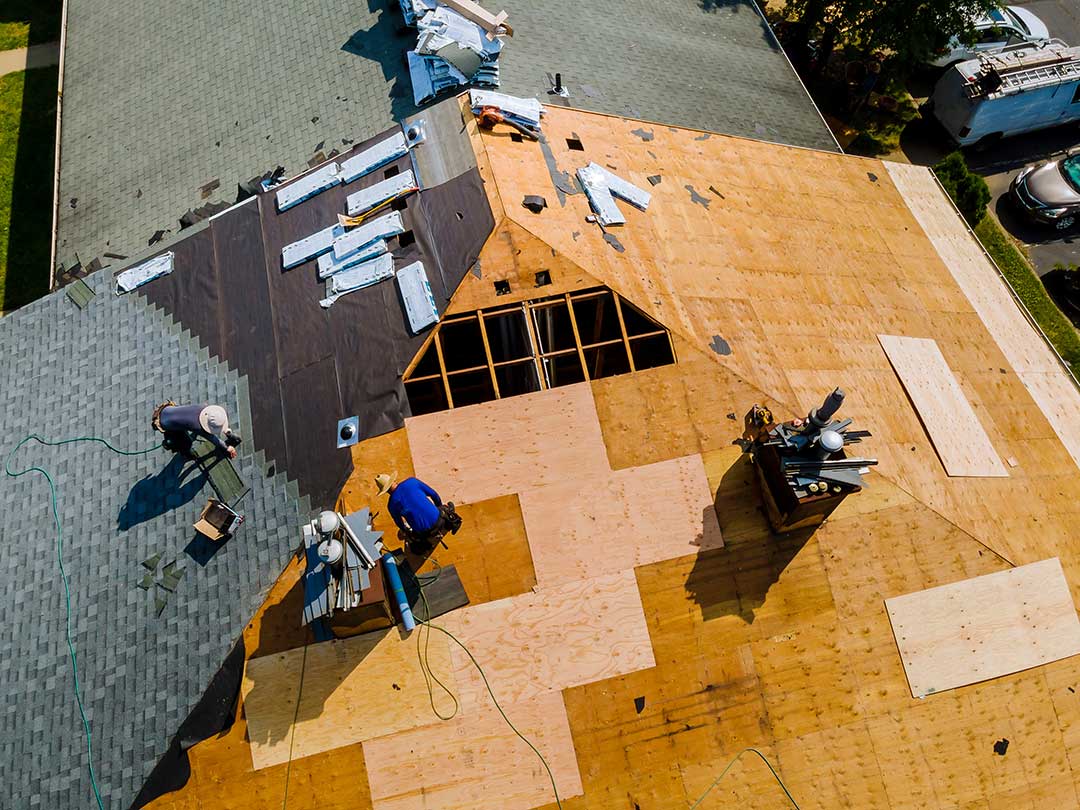
In Painted Post, snow accumulation can be serious in winter, so most newer homes are designed with at least a moderately steep roof. On older properties with lower slopes, watch for wintertime “ice dams,” where melting snow refreezes at the edges, sometimes forcing water under shingles.
What Are Common Misunderstandings About Roof Pitch?
Several assumptions often cause confusion:
- All steep roofs shed snow perfectly: In reality, features like dormers, valleys, or heavy tree cover can create spots where snow lingers.
- Flat roofs cost less to maintain: These surfaces may collect more debris, require special materials, and need more vigilant inspection.
- Pitch doesn’t impact attic ventilation: A steeper pitch often allows better airflow options, especially for homes with finished attics or cathedral ceilings.
It’s wise for area homeowners to match roof pitch with proper insulation, ventilation, and drainage care to extend roof life.
Does Roof Pitch Affect Home Style or Value?
Pitch sets the tone of a home’s appearance—gambrel, gable, hip, and shed roofs all have unique slopes. In the local housing market, traditional moderate-to-steep pitches are most popular. Changes in roof pitch can impact:
- How a house looks from the street
- The amount of usable attic or storage space
- Potential resale value, especially if a roof modification changes a home’s style significantly or disrupts drainage
On historic buildings, matching the original roof angle is especially important to preserve character and avoid technical headaches.
How Should Homeowners Approach Roof Replacement or Repair?
If replacing or repairing a roof, knowing your current pitch helps guide material choices, maintenance plans, and conversations about any needed updates. Original design, snow load requirements, and even curb appeal all tie back to the angle of your roof.
Area households planning roof work will benefit from understanding pitch basics, particularly in relation to the region’s wet, snowy winters. Good decisions around slope and materials mean less risk of leaks, easier upkeep, and solid home protection through the seasons.
