
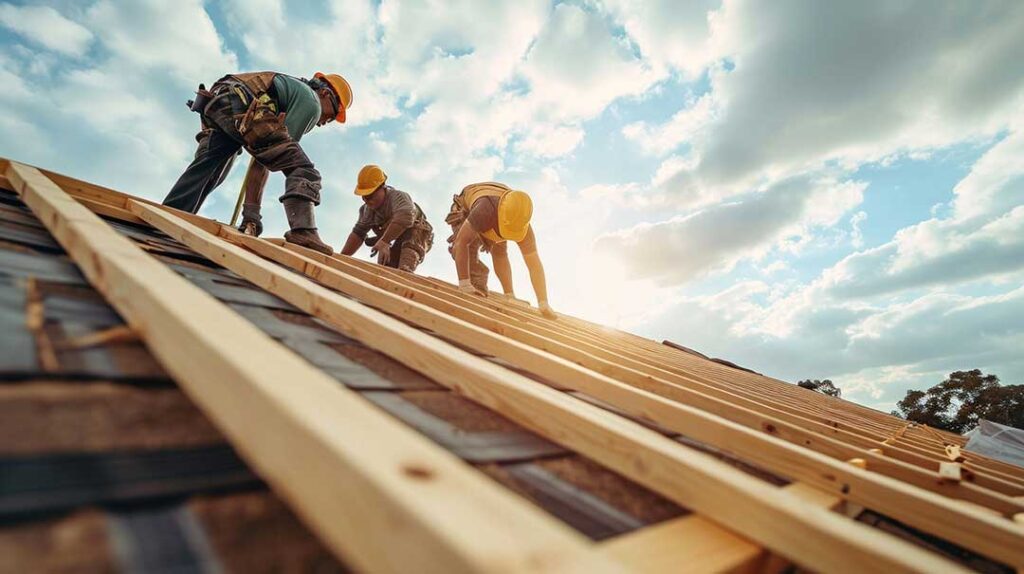
A greener roof can mean several different things. It may be a planted “living” roof, a light-colored roof that reflects solar heat, a roof designed for long service life, or a roof that supports solar panels. Each option has different costs, maintenance needs, structural requirements, and environmental benefits.
For households in Painted Post, NY, the most suitable choice depends less on appearance and more on winter weather, roof slope, drainage, attic ventilation, structural capacity, and how long the property is expected to be occupied.
What counts as a green roofing option?
Green roofing is a broad term rather than one specific product. It generally describes roofing choices that reduce environmental impact, improve energy performance, manage stormwater, or last longer before replacement.
Common categories include:
- Vegetated roofs: Roof assemblies with waterproofing, drainage layers, growing medium, and plants.
- Cool roofs: Roof surfaces designed to reflect more sunlight and absorb less heat.
- Durable roofs: Materials selected for long service life, repairability, and reduced replacement waste.
- Recycled-content roofing: Materials that include recovered resources or may be recyclable after removal.
- Solar-ready or solar-equipped roofs: Roofs planned to accommodate photovoltaic panels without premature replacement or unnecessary structural work.
A roof does not need to be covered with plants to be environmentally responsible. In many homes, improving durability, ventilation, insulation, and water control provides more practical benefit than installing a complex roof system.
Are living roofs practical in Painted Post?
Living roofs can be practical, but they are not a simple upgrade for most existing houses. They require a carefully designed waterproofing system, dependable drainage, protection against root penetration, and enough structural capacity to support saturated soil, plants, snow, and maintenance access.
The local climate creates several challenges. A planted roof must handle:
- Snow accumulation and the added weight of waterlogged growing medium
- Freeze-thaw cycles that can stress membranes and drainage components
- Heavy rain from seasonal storms
- Ice formation around drains and roof edges
- Dormant plants and limited growing conditions during colder months
A lightweight extensive green roof, usually planted with low-growing vegetation, is more realistic than a deep roof garden for many residential buildings. Even so, a roof that appears flat may not be suitable without an engineered review. Green roofs are more commonly considered during new construction or major additions, when the structure and drainage system can be planned from the beginning.
For an existing home, a living roof is usually worth considering only when the building can support the load and the owner accepts regular inspection and maintenance. Leaks beneath a planted assembly can also be more difficult and expensive to locate.
Can a cool roof reduce energy use?
A cool roof reflects more sunlight and stays cooler during warm weather. This can reduce heat entering the attic and upper floors, particularly in buildings with limited insulation or air conditioning.
The benefit is usually greatest during summer. In a climate with cold winters, a reflective roof does not eliminate the need for proper insulation, air sealing, or attic ventilation. Winter heating losses are primarily controlled by the building envelope, not by the roof color alone.
A cool roof may be worth considering when:
- The roof is being replaced anyway
- The upper floor becomes uncomfortably warm in summer
- The building has air conditioning or experiences high cooling demand
- A suitable reflective material is available without compromising appearance or durability
The energy savings may be modest for a small, well-insulated house. A reflective roof should not be treated as a substitute for correcting air leaks, inadequate attic insulation, blocked ventilation, or moisture problems.
Is a long-lasting roof more sustainable than a “green” material?
Often, yes. The environmental impact of roofing includes manufacturing, transportation, installation, repairs, and disposal. A roof that must be replaced several times may create more waste than a durable roof that lasts substantially longer, even if the durable material has a higher initial environmental cost.
Longevity depends on more than the advertised material life. Important factors include:
- Proper underlayment and flashing
- Correct installation for the roof slope
- Adequate attic ventilation
- Protection from ice dams and drainage problems
- Regular removal of leaves, branches, and debris
- Prompt repair of damaged flashing or exposed fasteners
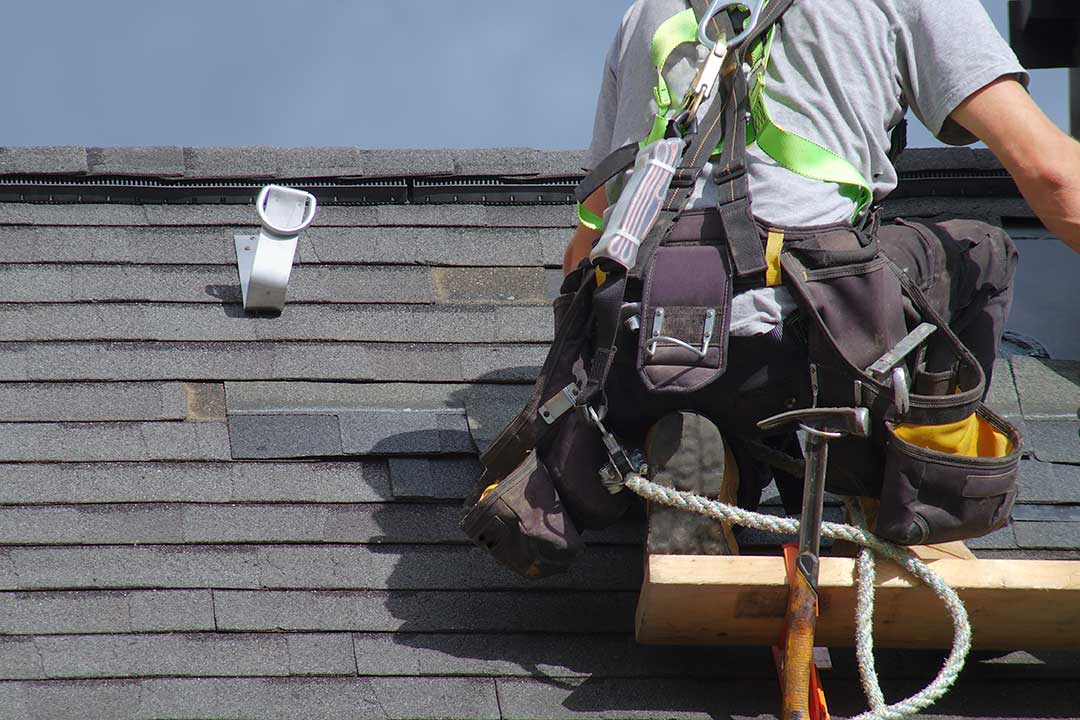
A durable roof with a sound water-management design can be a greener choice than a specialized product that performs poorly because the roof structure, ventilation, or drainage was not suitable.
What roofing materials have environmental advantages?
No roofing material is environmentally perfect. The most responsible choice depends on service life, maintenance, availability, installation quality, and end-of-life handling.
Metal roofing can have a long service life and may contain recycled content. It can also be noisy during heavy rain if the assembly is not properly designed. Some metal systems are highly durable, while lower-quality products may experience coating or fastening problems.
Roofing products made with recycled materials can reduce demand for virgin resources, but recycled content alone does not guarantee long service life. Product composition, warranty conditions, repairability, and disposal options should all be considered.
Wood roofing may use a renewable material, but it requires careful maintenance and may be unsuitable where moisture, shade, fire concerns, or local building requirements create problems. Its environmental value depends heavily on responsible sourcing and expected lifespan.
Conventional asphalt roofing remains common because it is relatively affordable and widely understood. Some products include recycled material, but replacement waste can be significant when roofs are installed or removed frequently. Improving the roof assembly and avoiding premature replacement may provide a larger environmental benefit than choosing a different surface alone.
Could solar panels be a greener roofing choice?
Solar panels can reduce reliance on electricity generated from fossil fuels, but they work best when installed on a roof with substantial remaining service life. Installing panels on a roof that needs replacement soon may lead to extra labor and removal costs later.
Before adding solar, the roof should be evaluated for:
- Remaining service life
- Structural capacity
- Shading and roof orientation
- Snow-shedding behavior
- Flashing and attachment details
- Access for future repairs
Solar panels are not a replacement for a sound roof. They also do not make a poorly insulated building energy efficient. In many homes, reducing air leakage and improving insulation first can lower energy demand, after which solar can offset a larger share of the remaining electricity use.
What should homeowners consider before choosing a greener roof?
The best option is usually the one that fits the building rather than the one with the most environmental features.
Start by identifying the roof’s main problem. If the issue is high summer heat, a cool surface and better attic insulation may help. If the issue is repeated leaks, drainage and flashing deserve attention before adding new materials. If replacement is already planned, durability, recycled content, installation waste, and future repairability can be compared at the same time.
For properties in Painted Post, winter conditions deserve particular attention. Snow loads, ice dams, freeze-thaw movement, and drainage performance can affect both conventional and specialized roofs. A roof assembly that handles water reliably is generally more valuable than a visually “green” feature that creates maintenance or moisture risks.
Structural changes, planted roofs, solar installations, and work involving steep slopes or unsafe access may require qualified design or installation support. Those situations involve safety and building-performance concerns that should not be handled through guesswork.
A practical green roofing decision often looks like this: keep a sound roof in service, improve insulation and ventilation where needed, repair leaks early, select durable materials during replacement, reduce installation waste, and consider specialized options only when the building can support them.
