
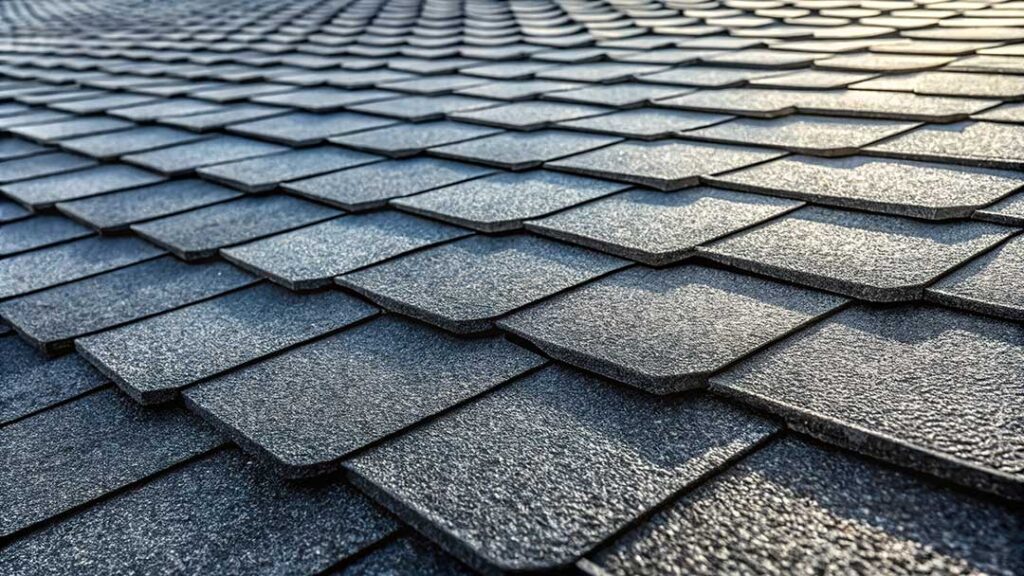
What do curled and cracked shingles mean?
In Painted Post, NY, curled or cracked shingles usually indicate that roofing materials are aging, losing flexibility, or being stressed by weather. A few damaged shingles may be repairable, but widespread curling and cracking often means the roof is approaching the end of its useful service life.
Shingles protect the roof deck from water, wind, ice, and sunlight. Once their edges lift, split, or lose their protective surface, moisture can reach areas that are not designed to remain wet. Damage may progress slowly, so regular observation is useful even when there is no active leak inside the home.
What causes shingles to curl?
Shingle curling occurs when the edges or corners turn upward, downward, or inward. Several conditions can contribute:
- Age: Asphalt shingles become less flexible over time. As they dry out, the edges may curl or become brittle.
- Repeated temperature changes: Seasonal expansion and contraction can gradually weaken shingles. Cold winters, warm summers, and rapid weather changes all place stress on roofing materials.
- Poor attic ventilation: Excess heat and moisture beneath the roof can shorten shingle life. In winter, warm attic air may also contribute to condensation and uneven drying.
- Improper installation: Shingles installed with too few fasteners, incorrect nail placement, or inadequate alignment may lift or curl earlier than expected.
- Manufacturing defects: Occasionally, a group of shingles may develop similar problems even when the roof is relatively young.
- Wind exposure: Repeated wind can lift shingle edges, especially where adhesive strips have weakened.
Curling should not automatically be blamed on a single severe storm. In many cases, it reflects a combination of age, ventilation, weather exposure, and installation conditions.
Why do shingles crack?
Cracks may appear as short splits, long horizontal lines, or narrow breaks running through the shingle surface. These cracks can result from drying, thermal movement, impact, or physical stress.
Some cracks are caused by the gradual loss of oils and flexibility in the asphalt material. Others develop when shingles expand during warm weather and contract during cold weather. Hail, falling branches, foot traffic, and maintenance work can also create localized damage.
A crack does not always cause an immediate leak. However, it creates a path where water can move beneath the protective surface. During prolonged rain, melting snow, or freeze-thaw cycles, small openings may become more serious.
How can a homeowner tell whether the damage is minor or widespread?
A small number of isolated damaged shingles may be a localized repair issue. Widespread curling, cracking, or loss of surface granules usually calls for a broader evaluation of the roof’s condition.
From the ground, look for:
- Multiple rows with lifted or curled edges
- Shingles that appear unusually wavy or distorted
- Cracks repeated across one roof section
- Bare or heavily worn patches where granules have disappeared
- Shingle pieces in gutters or near downspouts
- Exposed dark lines or areas where the underlying layer is visible
- Missing shingles, loose flashing, or lifted ridge caps
A roof with damage concentrated on one slope may have experienced unusual wind, shade, tree contact, or drainage problems. Damage spread across several slopes is more likely related to age, material deterioration, ventilation, or installation.
A pair of binoculars can help with a ground-level inspection. Walking on an aging or damaged roof can break shingles, disturb flashing, and create a fall hazard.
What should be done about a few curled or cracked shingles?
If the problem is limited, the damaged shingles may be replaced individually. A proper repair involves more than applying roofing cement over the visible crack. The replacement must be compatible with the existing roof, correctly positioned, securely fastened, and sealed against wind.
Temporary sealant may reduce water entry for a short period, but it does not restore a brittle or structurally weakened shingle. Thick patches of cement can also make future repairs more difficult and may conceal ongoing moisture problems.
Replacement shingles may not match perfectly when the existing roof has weathered. Differences in color and texture are normal, especially if the original materials have faded or lost granules.
When is replacement more practical than repair?
Roof replacement becomes more practical when damage is widespread, recurring, or accompanied by other signs of deterioration. Important factors include the roof’s age, the number of affected shingles, the condition of the underlayment, and whether the roof deck has been exposed to moisture.
Replacement deserves closer consideration when:
- Curling or cracking appears on many slopes
- Shingles are brittle and break during minor handling
- Granule loss is extensive
- Leaks occur in more than one area
- The roof has required repeated patching
- Flashing, vents, or ridge materials are also deteriorated
- Water stains or soft areas are present on the roof deck or ceiling
A roof can still look acceptable from the ground while having concealed damage beneath the shingles. Leaks may first appear around chimneys, wall intersections, valleys, skylights, and roof penetrations rather than directly below the visibly damaged shingle.
How does local weather affect this problem?
Painted Post experiences cold weather, snow, ice, summer heat, rainfall, and regular freeze-thaw movement. These conditions can expose weaknesses in older roofing materials. Snow and ice may remain on shaded roof sections longer, while warm attic air can create condensation if ventilation and insulation are not working properly.
Ice dams are another concern during periods of snow and freezing temperatures. They form when heat escaping through the attic melts snow higher on the roof, allowing water to refreeze near colder eaves. The resulting water can move beneath shingles and damage underlayment, sheathing, insulation, and interior finishes.
Not every curled shingle is caused by an ice dam, and ice dams do not always indicate a shingle defect. Roof slope, insulation, air sealing, ventilation, snow conditions, and shade all influence the outcome.
Can ventilation prevent curling and cracking?
Good attic ventilation can help control heat and moisture, but it cannot reverse shingles that are already curled or cracked. Ventilation works as part of a complete roof and attic system that may include intake openings near the eaves, exhaust openings near the ridge, adequate insulation, and effective air sealing.
Adding an exhaust vent without enough intake airflow may not solve the underlying problem. Likewise, covering vents or blocking air passages with insulation can reduce performance. Ventilation changes should be based on the roof design and attic conditions rather than on a single visible symptom.
What indoor warning signs should be checked?
Interior evidence can reveal roof problems before a major leak develops. Check attic and upper-floor areas for:
- Brown or yellow ceiling stains
- Damp insulation
- Musty odors
- Peeling paint or bubbling drywall
- Daylight visible through the roof deck
- Rusted fasteners or wet wood
- Moisture around vents, chimneys, and roof-wall intersections
Water does not always appear directly below the damaged shingle. It can travel along rafters, decking, insulation, or framing before becoming visible indoors.
If water is entering near electrical fixtures, spreading rapidly, or accompanied by sagging drywall, avoid disturbing the area and address the immediate safety risk first. Electrical and structural hazards require appropriate qualified assistance.
How often should the roof be checked?
A ground-level review in spring and fall can identify visible changes before they become urgent. Additional checks are useful after strong wind, hail, heavy snow, or the removal of nearby tree limbs.
Keep gutters and drainage paths clear, but avoid using tools or ladders in ways that place weight on shingles. Do not power-wash asphalt shingles, scrape aggressively at surface granules, or walk across areas that appear brittle.
Documenting changes with dated photographs can help distinguish a new problem from long-term aging. It also makes it easier to track whether curling, cracking, granule loss, or staining is spreading.
