
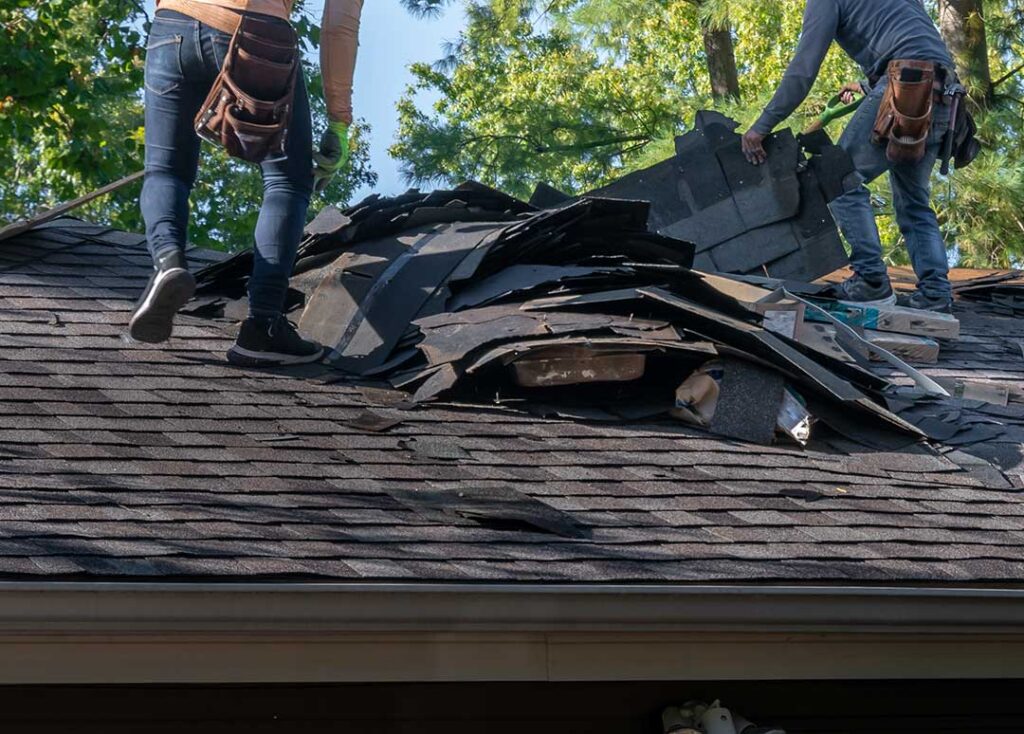
Choosing a roofing contractor is less about finding the lowest price and more about confirming that the work will be safe, properly planned, and suitable for the home. In Painted Post, NY, weather exposure, older housing stock, winter conditions, and changing temperatures all make contractor selection a practical maintenance decision rather than a simple purchasing choice.
What should be checked before comparing contractors?
Start by confirming that the contractor is properly established, insured, and familiar with residential roofing work. A trustworthy contractor should be willing to explain the company’s legal business name, insurance coverage, work history, and the type of roofing projects regularly completed.
Ask for documentation rather than relying only on verbal assurances. Useful items may include:
- Proof of general liability insurance
- Workers’ compensation coverage for employees
- A written business address and reliable contact information
- Recent local references for similar roofing work
- Evidence of required registrations, permits, or licenses where applicable
Insurance matters because roofing involves fall hazards, property damage risks, and heavy materials. A homeowner should not assume that a contractor’s employees or subcontractors are covered simply because the company says it is insured.
Does local experience matter for roofing?
Local experience can be useful when it reflects knowledge of weather patterns, common home designs, and regional construction practices. Roofs in the area may face snow, ice, wind, freeze-thaw movement, heavy rain, and debris from nearby trees. These conditions affect material selection, flashing details, drainage, and the timing of repairs.
A contractor does not need to be located in the same neighborhood to perform competent work. However, the contractor should be able to explain how the proposed roofing system will handle local seasonal conditions. Vague claims about being “built for any weather” are less helpful than a clear discussion of ventilation, underlayment, ice protection, drainage, and fastening.
Experience with older houses is also valuable. Older roofs may have layered shingles, outdated ventilation, uneven decking, inadequate flashing, or previous repairs hidden beneath newer materials. A thorough inspection should address these conditions before a price is finalized.
What should a roofing inspection include?
A proper inspection should look beyond missing shingles. The contractor should examine the roof surface, roof edges, valleys, penetrations, flashing, gutters, attic ventilation, and visible signs of moisture.
Questions worth asking include:
- Is the roof leaking, or are there signs of previous water entry?
- Is the roof deck solid, or are damaged sections likely?
- Are flashing areas around chimneys, vents, and wall intersections sound?
- Is ventilation balanced between intake and exhaust?
- Are gutters and downspouts moving water away from the foundation?
- Are repairs practical, or has the roof reached the end of its serviceable life?
A contractor who immediately recommends complete replacement without explaining the roof’s condition may not be providing enough information. At the same time, repeated patching is not always economical when the underlying roofing system is failing.
How can homeowners compare written proposals?
A written proposal should describe the work in enough detail that two or more proposals can be compared fairly. A single total price is not sufficient.
Look for information about:
- The roofing material and manufacturer specifications
- Removal and disposal of existing roofing
- Underlayment and ice-dam protection
- Flashing replacement or reuse
- Roof-deck repairs and how those repairs will be priced
- Ventilation work
- Cleanup and protection of landscaping or exterior features
- Start and completion expectations
- Payment stages
- Warranty terms and exclusions
The least expensive proposal may leave out important work. For example, one contractor may include new flashing and deck repairs while another assumes that existing materials can be reused. A lower number does not necessarily represent a lower total cost once omitted items are added.
Be cautious with proposals that contain large allowances, broad phrases such as “repair as needed,” or significant deposits before materials and labor are clearly described. Any change in scope should be documented in writing before the additional work is performed.
What questions should be asked about roofing materials?
Material choice should reflect the roof’s design, slope, budget, appearance, and expected weather exposure. Asphalt shingles are common, but not every shingle is appropriate for every roof. The contractor should explain the product’s rating, installation requirements, expected service life, and warranty limitations.
Homeowners should also ask whether the roof requires special treatment because of:
- Low-slope sections
- Complex valleys or multiple roof intersections
- Heavy shade and moss growth
- Snow accumulation
- Nearby trees
- Attic moisture or poor ventilation
- Existing layers of roofing material
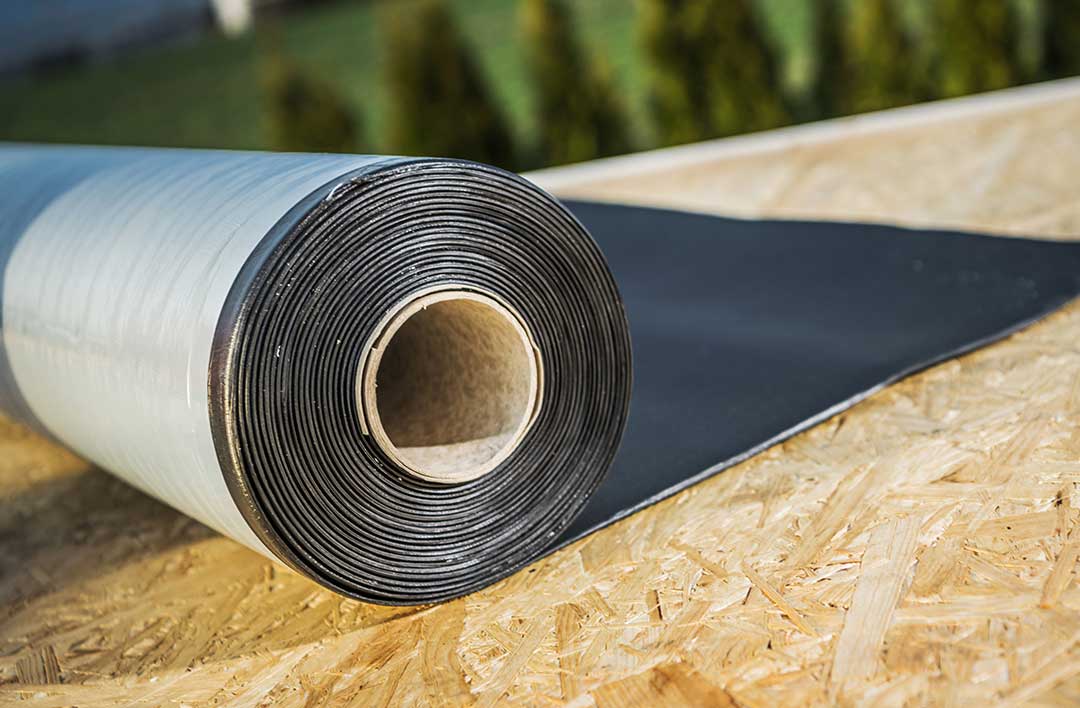
A product warranty does not guarantee that the entire roof installation will be covered. Manufacturer warranties often depend on correct installation, approved components, registration requirements, and maintenance. The contractor should explain the difference between a material warranty and a workmanship warranty.
How can a homeowner recognize warning signs?
Certain patterns should prompt caution. These include contractors who arrive unexpectedly after a storm, pressure homeowners to sign immediately, request full payment in advance, or refuse to provide insurance documentation.
Other warning signs include:
- No written scope of work
- Unclear answers about subcontractors
- A price far below other detailed proposals
- Requests for payment by cash only
- Pressure to finance unnecessary work
- Claims that insurance approval is guaranteed
- No explanation of ventilation, flashing, or roof-deck conditions
- A contract that allows broad changes without homeowner approval
Storm damage can create urgency, but urgency should not eliminate basic due diligence. Temporary measures may be appropriate when water is entering the home, but permanent work should still be based on a documented inspection and a clear agreement.
When is a roofing contractor legally or practically necessary?
Some roof maintenance can be handled by a homeowner, such as keeping gutters clear from a safe position, observing attic conditions, or checking for visible damage from the ground. Walking on a roof, removing snow, replacing materials near electrical equipment, or working around steep slopes creates greater risk.
Professional assistance is warranted when the roof is steep, damaged by a storm, actively leaking, structurally weakened, or difficult to access safely. Work may also require permits or inspections depending on the scope and applicable local requirements. A contractor should explain which approvals are needed rather than leaving the homeowner to guess.
What should happen after the work is completed?
The finished project should be reviewed before final payment. The homeowner should receive information about warranties, maintenance, remaining materials, disposal, and any changes made during installation.
Check that:
- Roofing debris and exposed fasteners have been removed
- Gutters and downspouts are connected and flowing properly
- Flashing appears complete around roof penetrations
- Landscaping and exterior surfaces are reasonably clean
- Attic or interior areas show no new signs of moisture
- The final invoice matches approved changes
Keep the contract, invoices, photographs, warranty documents, and repair records together. These records can help with future maintenance, insurance questions, and the eventual sale of the home.
For households in Painted Post, choosing carefully means evaluating the contractor’s process as much as the proposed materials. Clear documentation, realistic explanations, proper insurance, attention to winter weather, and a willingness to discuss what may be hidden beneath the roof surface are stronger indicators of dependable work than a low price or an urgent sales pitch.
